
Ingredients That Do More Than Bake
Why We Care About Ingredients
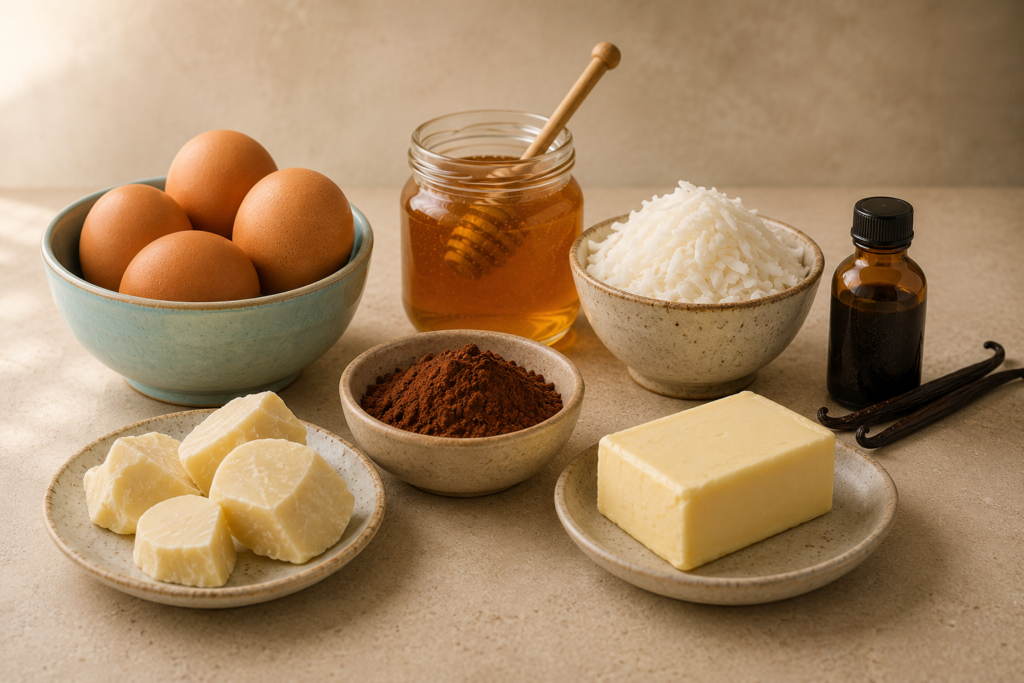
Every ingredient in our kitchen has a purpose. Some provide structure. Others contribute flavor, tenderness, moisture, or color. Many naturally contain bioactive compounds that have been studied for their role in supporting normal body functions.
We don’t choose ingredients because they’re fashionable—we choose them because they make exceptional desserts.
Table of Contents
Butter
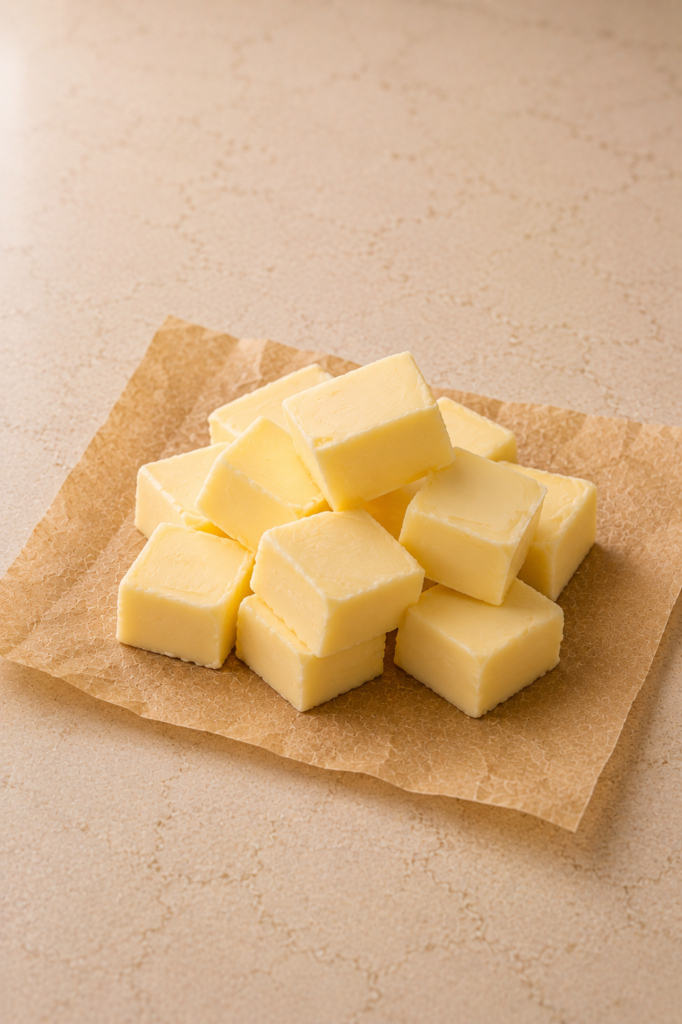
What it does in Baking
- Adds Richness
- Creates Tenderness
- Promotes Browning
- Helps Create a Delicate Crumb
- Carries Other Flavors Throughout the Recipe
Naturally Contains
- Butyric Acid
- Conjugated Linoleic Acid (CLA) in small amounts
- Fat-Soluble Vitamins A, D, E, & K
Why Granny Uses It
Butter has always had a place in my kitchen.
It’s a simple, time-honored ingredient with a rich flavor that can’t be duplicated. Long before I began creating my own recipes, I knew that if I was going to bake, it would be with real butter.
Whether it brings tenderness to a cake or creates the perfect cookie, butter remains one of the ingredients I trust most.
Cocoa Butter
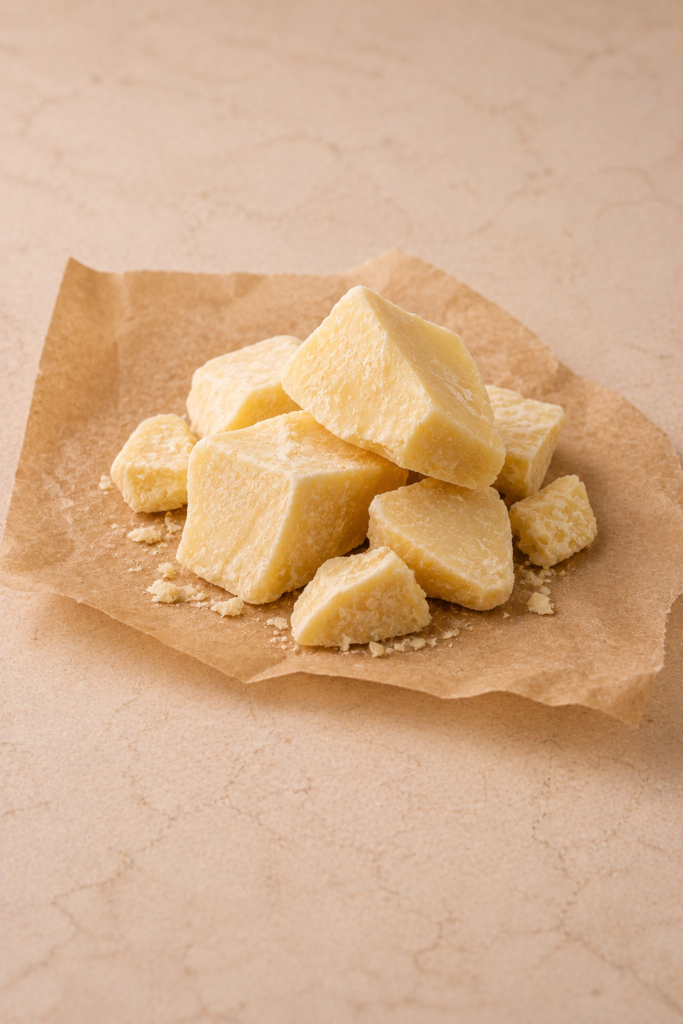
What it does in Baking
- Creates Smooth Texture
- Produces Creamy Mouthfeel
- Gives Granny’s Homemade Chocolate its Snap
- Adds Richness without Overpowering Flavor
- Stable Baking Fat
Naturally Contains
- Stearic Acid
- Oleic Acid
- Palmitic Acid
- Vitamin E (small amounts)
Why Granny Uses It
Cocoa butter was a conscious choice from the very beginning.
I originally bought it because I wanted to make my own chocolate using simple ingredients sweetened with honey. Instead, cocoa butter became one of the defining ingredients in my baking.
It gives my Double Chocolate Cake its richness and has become an essential ingredient in my German Chocolate Cake and German Chocolate Cookie. Even today, it continues to inspire new chocolate desserts in my kitchen.
Cocoa Powder
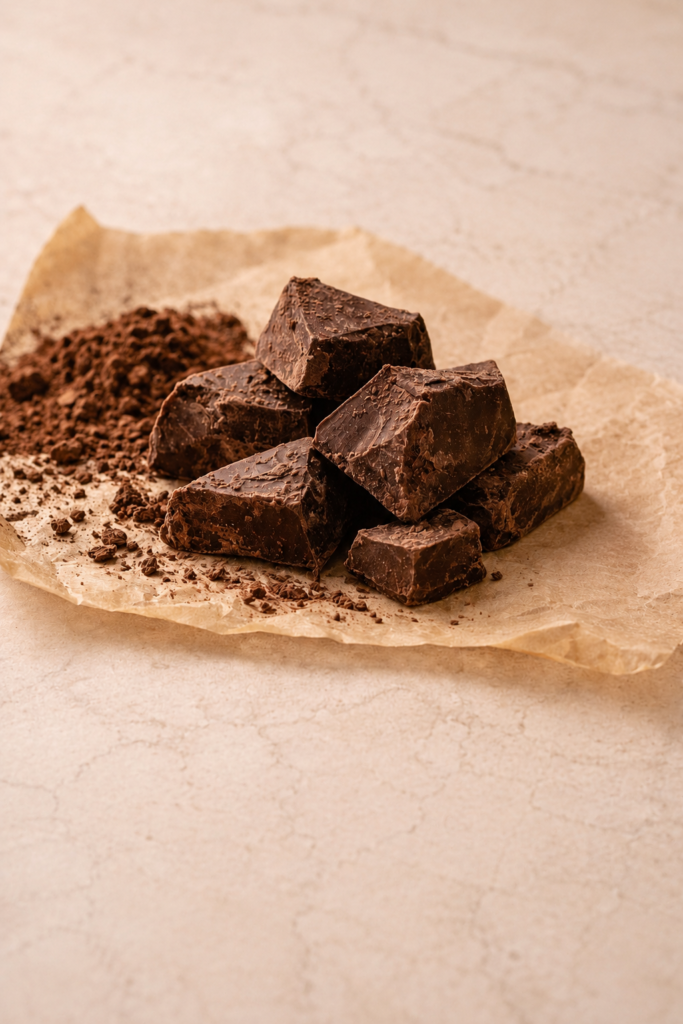
What it does in Baking
- Provides Deep Chocolate Flavor
- Contributes Color
- Helps Build Structure in Chocolate Baked Goods
- Balances Sweetness with Natural Bitterness
Naturally Contains
- Cocoa Flavanols
- Polyphenols
- Theobromine
- Magnesium
- Iron
- Copper
- Manganese
Why Granny Uses It
Chocolate begins with cocoa powder.
Whether I’m creating a cake, a cookie, or homemade chocolate, cocoa powder gives me the freedom to build each recipe from the ground up. By balancing it with ingredients like cocoa butter and honey, I can create the flavor, richness, and texture I’m looking for.
It’s one of the most versatile ingredients in my kitchen, and one I never want to be without.
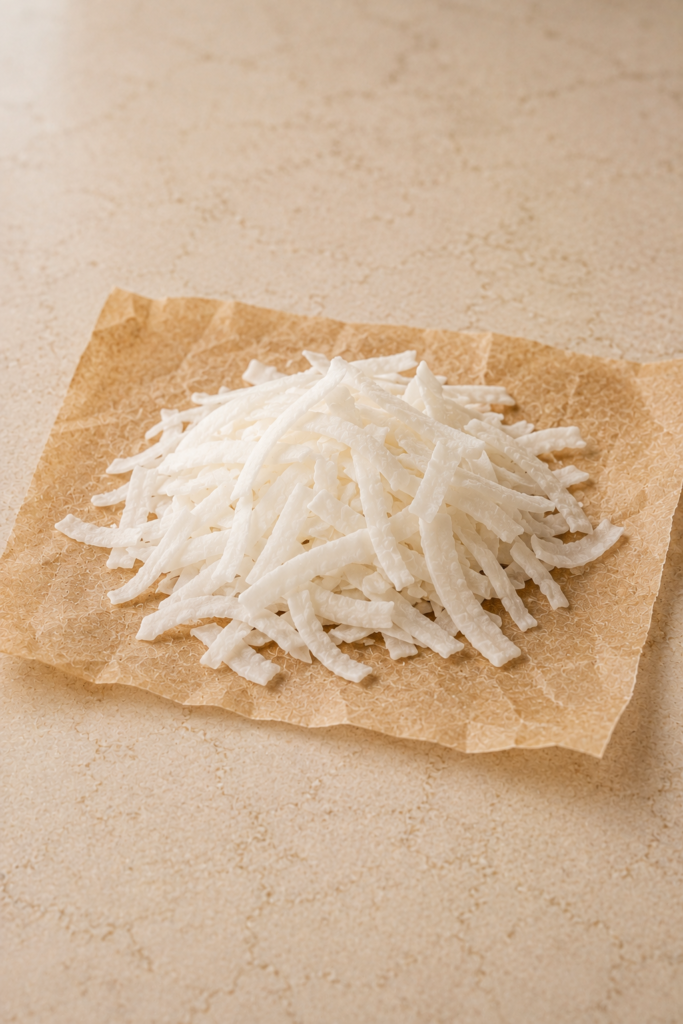
Coconut Flakes
What it does in Baking
- Adds Chewy Texture
- Contributes Natural Sweetness
- Provides Structure in Macaroons and Confections
- Adds Richness and Moisture
Naturally Contains
- Dietary Fiber
- Medium-Chain Triglycerides (MCTs)
- Lauric Acid
- Manganese
- Copper
- Iron
- Selenium
Why Granny Uses It
Coconut flakes became the heart of my Cottage Macaroons through experimentation.
I discovered that unsweetened coconut flakes created exactly the texture I was looking for. As they bake, they’re coated in a mixture of honey and egg whites, and the natural fats from the coconut mingle with those ingredients to create the delicate, chewy center that makes these cookies so distinctive.
When an ingredient gives me the result I’m looking for, it earns its place in my kitchen.
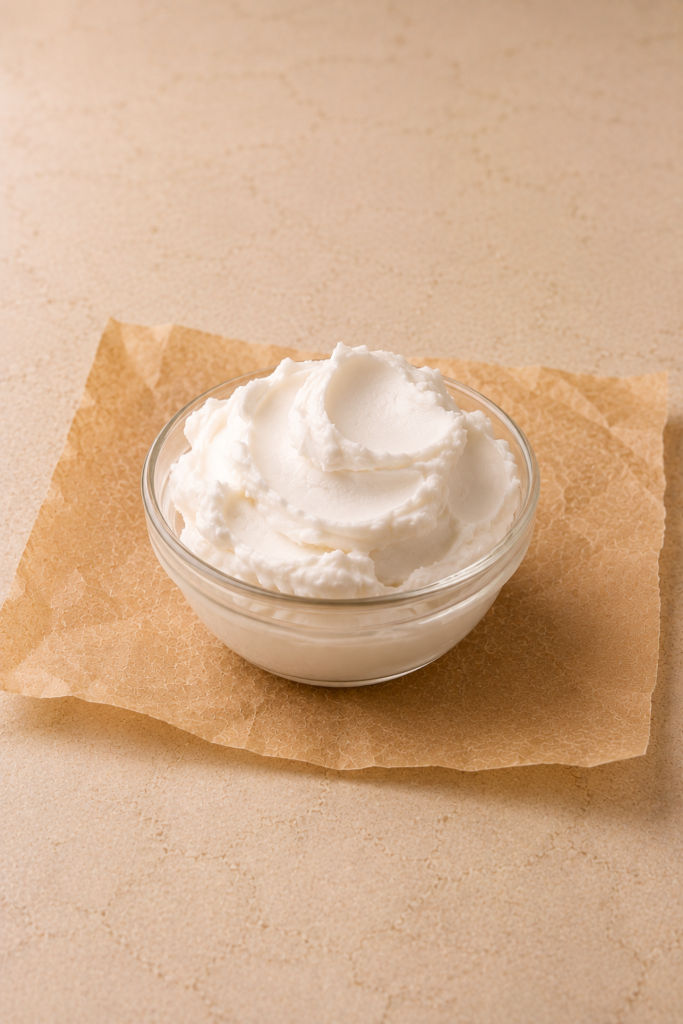
Coconut Cream
What it does in Baking
- Creates Silky Custards
- Adds Richness
- Produces Smooth Fillings and Frostings
Naturally Contains
- Medium-Chain Triglycerides (MCTs)
- Lauric Acid
- Manganese
- Copper
- Iron
Why Granny Uses It
Coconut cream has become one of my favorite ingredients because it celebrates coconut rather than competing with it.
Its richness creates a silky custard, while its full coconut flavor makes it the perfect foundation for the topping on my German Chocolate Cookies and German Chocolate Cake. When coconut is the star, coconut cream belongs in the bowl.
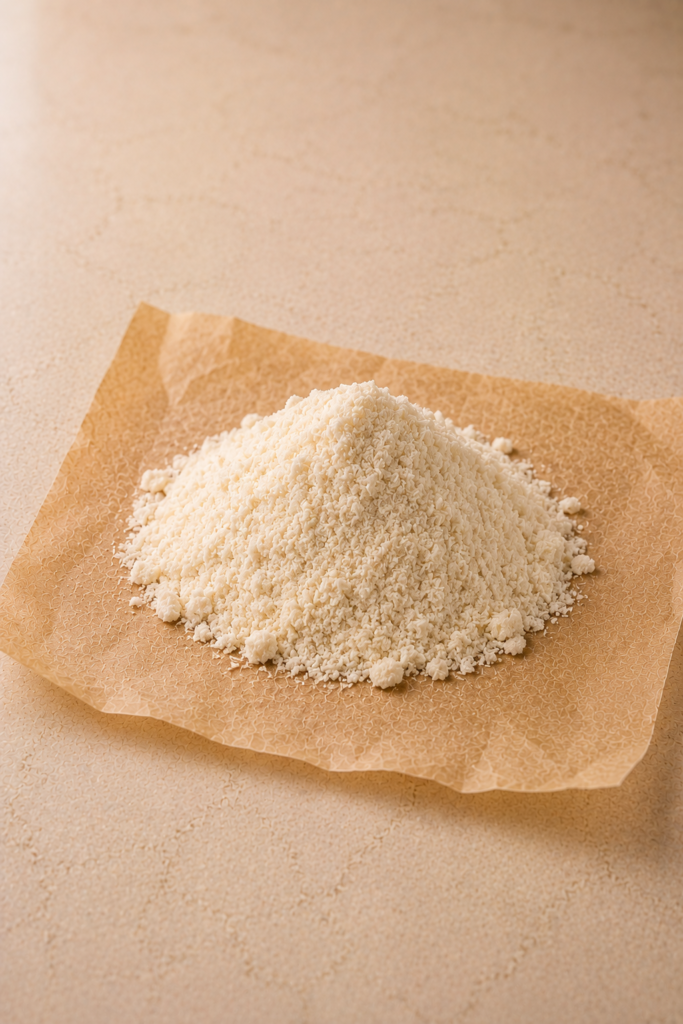
Coconut Flour
What it does in Baking
- Highly Absorbent
- Builds Structure with Eggs
- Creates a Tender Crumb
- Helps Retain Moisture
- Adds Body to Grain-Free Recipes
Naturally Contains
- Dietary Fiber
- Healthy Fat
- Iron
- Manganese
- Potassium
Why Granny Uses It
Some ingredients earn a permanent place in the pantry. Coconut flour is one of them.
As I developed my cakes and cookies, I found myself returning to coconut flour again and again. Its naturally high fiber content, subtle sweetness, and distinctive baking qualities made it the natural choice for the recipes I wanted to create.
Learning to work with coconut flour is one of the foundations of grain-free baking. Once you understand the ingredient, it opens the door to countless possibilities.
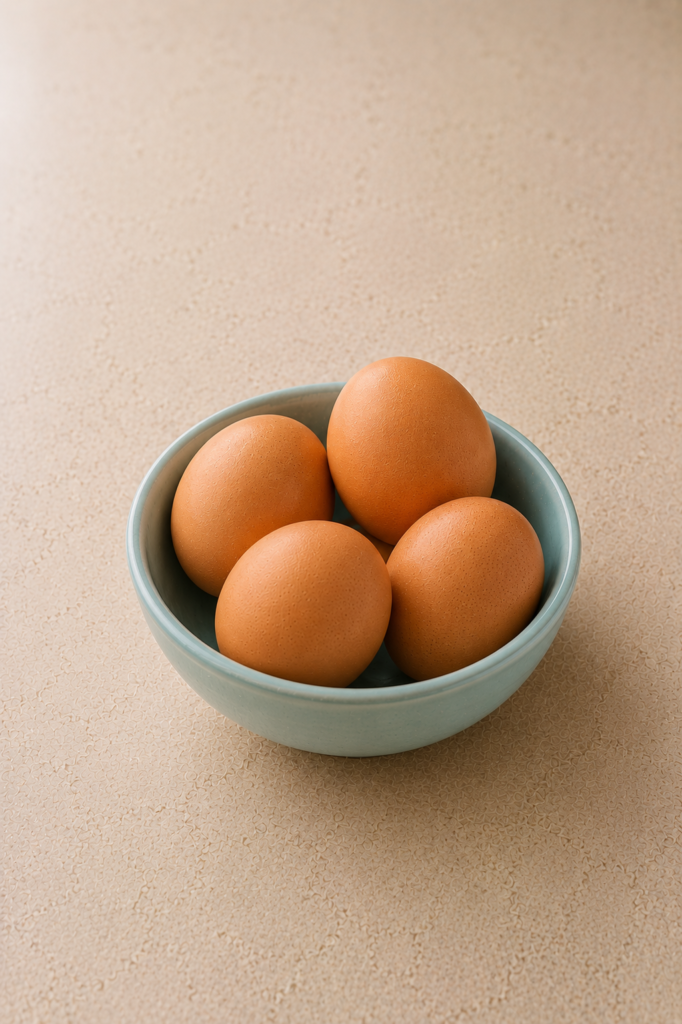
Egg
What it does in Baking
- Provides Structure
- Binds Ingredients Together
- Emulsifies Fats and Liquids
- Creates Lift
- Adds Moisture
- Contributes Color and Richness
Naturally Contains
- All 9 Essential Amino Acids
- Choline
- Lutein
- Zeaxanthin
- Vitamins A, D, E & B12
- Selenium
Why Granny Uses It
Eggs do far more than hold a recipe together. They provide richness, tenderness, lift, and beautiful color while helping create the texture that makes baking so satisfying.
They’re one of nature’s most complete foods, and I can’t imagine a grain-free kitchen without them. Few ingredients work harder in the bowl—or bring more to the table.
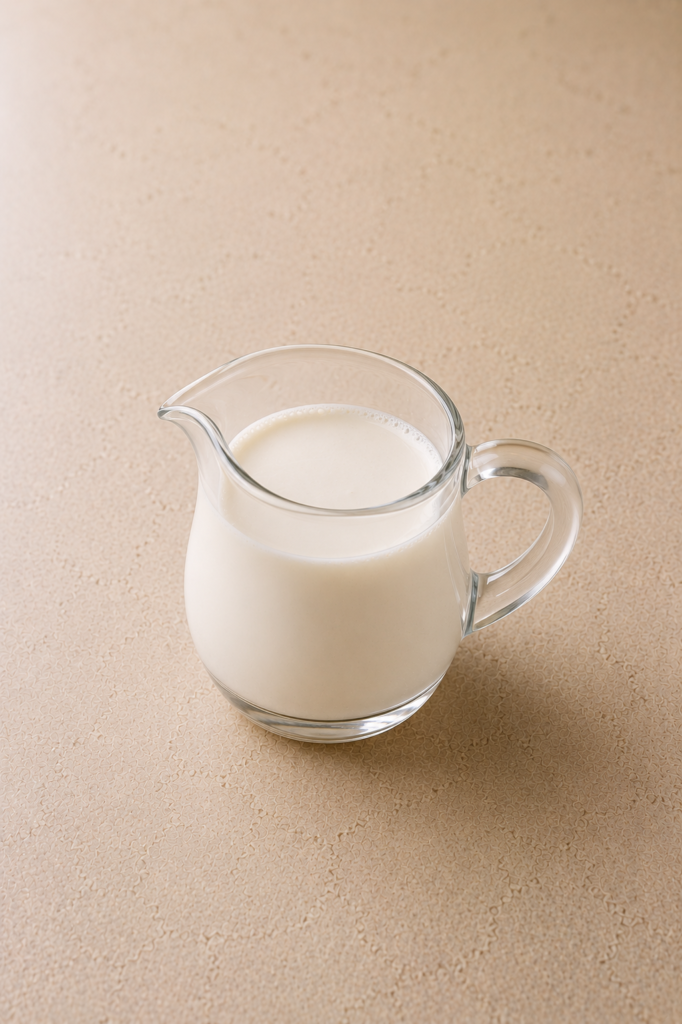
Heavy Cream
What it does in Baking
- Adds Richness
- Produces Smooth Texture
- Improves Mouthfeel
- Helps Create Stable Ganache and Whipped Toppings
Naturally Contains
- Milk Fat
- Fat-soluble Vitamins
- Calcium
- Phosphorus
Why Granny Uses It
Some desserts simply need richness, and heavy cream delivers it beautifully. It creates a smooth, velvety texture that can’t be duplicated with lower-fat alternatives.
I don’t use heavy cream often, but when I do, it’s because nothing else will produce the dessert I’m trying to create.
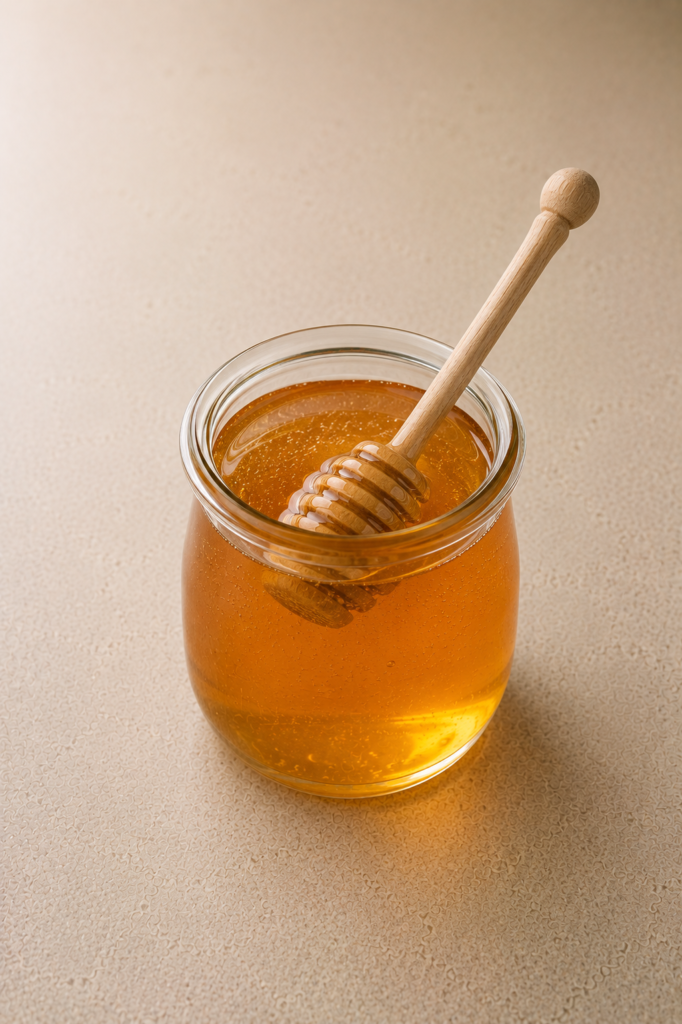
Honey
What it does in Baking
- Sweetens Naturally
- Adds Moisture
- Helps Keep Baked Goods Fresh
- Promotes Browning
- Contributes Floral Flavor Notes
Naturally Contains
- Trace enzymes
- Small Amounts of Antioxidants
- Organic Acids
- Potassium
- Small Amounts of Vitamins and Minerals
Why Granny Uses It
Honey is my favorite sweetener, and whenever a recipe allows it, it’s the one I reach for.
I prefer local, raw honey because I believe good ingredients are the foundation of good baking. While baking changes some of honey’s naturally occurring compounds, it still brings everything I love about it to the bowl—beautiful flavor, balanced sweetness, and the character that only honey can provide.
My Cottage Macaroons depend on honey to create their delicate, sweet, candied chew. The coconut cream topping on my German Chocolate Cookies owes much of its warmth and depth of flavor to honey.
Every sweetener has its place, but if a recipe can be made with honey, that’s where I begin.
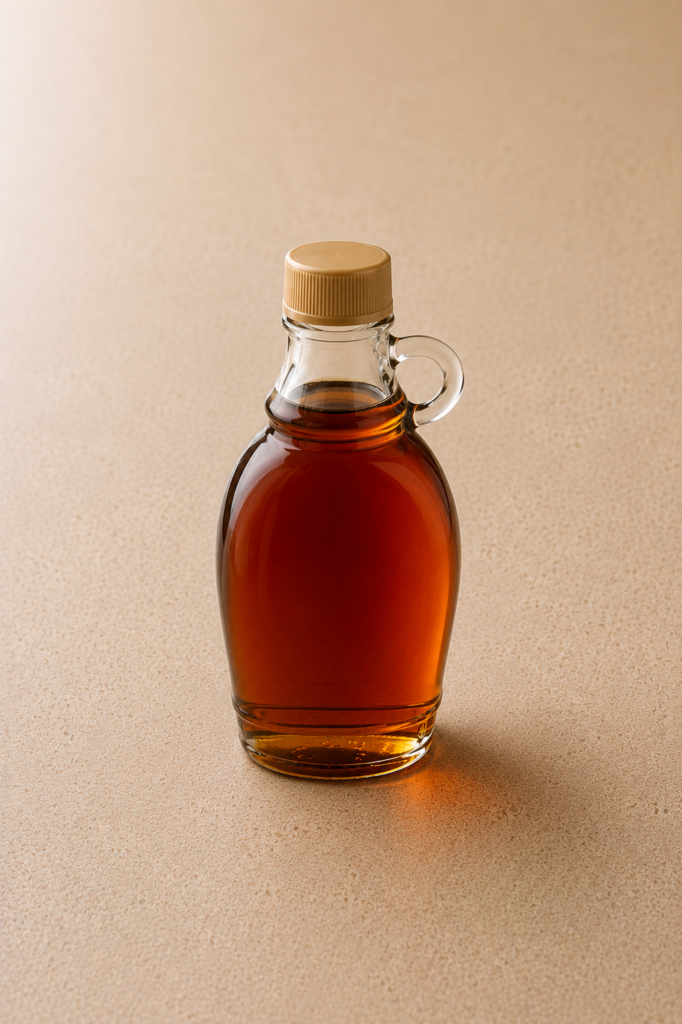
Maple Syrup
What it does in Baking
- Sweetens Naturally
- Adds Moisture
- Contributes Caramel Flavor
- Helps Create Smooth Custards
Naturally Contains
- Polyphenols
- Manganese
- Zinc
- Potassium
- Calcium (small amounts)
Why Granny Uses It
When I developed my Pumpkin Custard, I wanted the sweetener to complement the pumpkin rather than compete with it.
Pure maple syrup has warm caramel notes that naturally pair with pumpkin and autumn spices, creating a flavor that feels balanced and familiar. Honey, while wonderful in many recipes, brought a sweetness that I found too pronounced for this custard.
Every recipe has a sweetener that feels like it was meant to be there. For Pumpkin Custard, that sweetener is pure maple syrup.
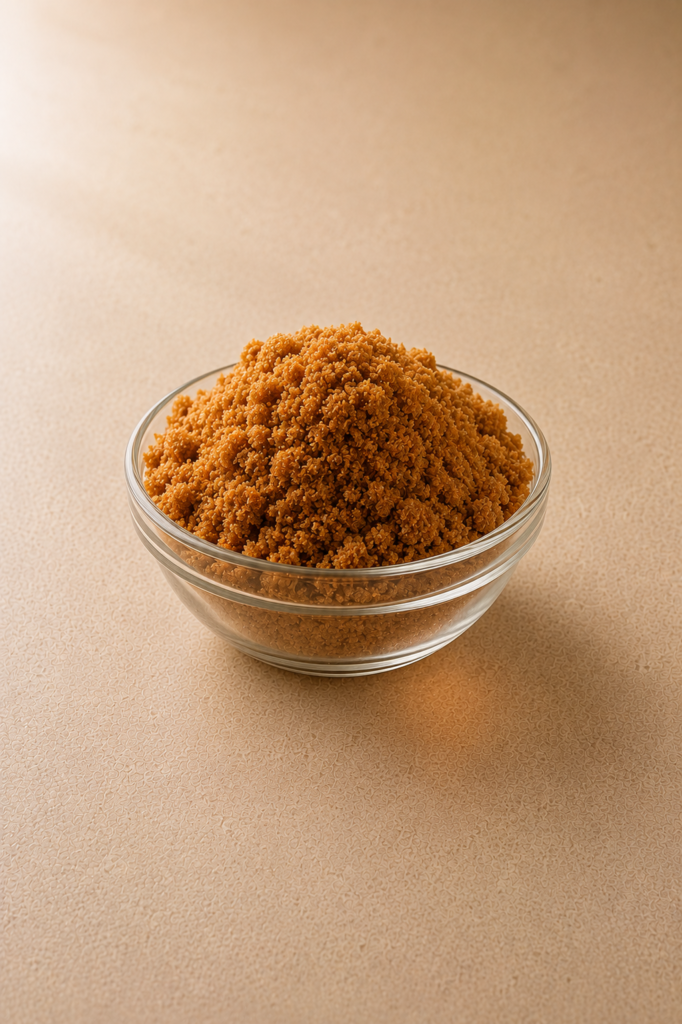
Palm Sugar
What it does in Baking
- Sweetens
- Adds Caramel Flavor
- Helps Retain Moisture
- Contributes Color During Baking
Naturally Contains
- Potassium
- Iron
- Zinc
- Magnesium
- Small Amounts of Inulin
Why Granny Uses It
Palm sugar wasn’t chosen because it was fashionable—it was chosen because it worked.
When I developed my German Chocolate Cookie, I needed a sweetener that would help create a sturdy cookie capable of supporting a rich coconut cream topping. Honey produced a softer cookie than I wanted.
Palm sugar provided the structure I was looking for while remaining consistent with the grain-free ingredients I use throughout my kitchen. It adds a gentle caramel flavor that complements chocolate without overpowering it.
Sometimes the best ingredient is simply the one that allows a recipe to become what it was meant to be.
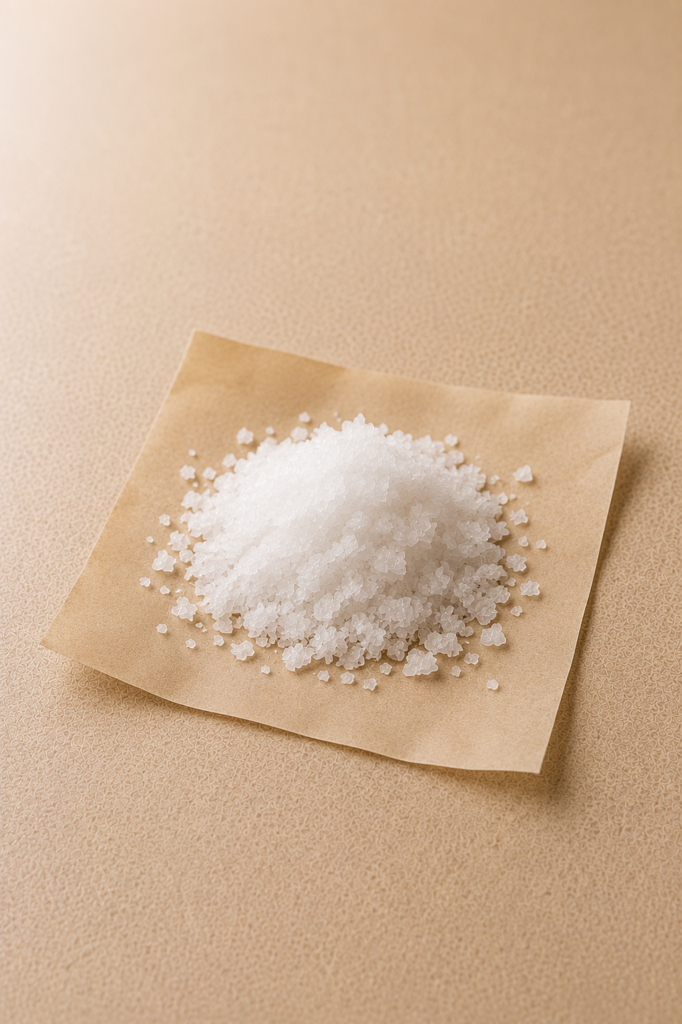
Sea Salt
What it does in Baking
- Enhances Flavor
- Balances Sweetness
- Strengthens Dough Structure
- Helps Control Leavening
Naturally Contains
- Sodium
- Chloride
- Trace Minerals (amounts vary by source)
Why Granny Uses It
Sea salt is one of the quietest ingredients in my pantry, yet one of the most important. I’ve always preferred ingredients that stay close to their natural form, and sea salt reflects that philosophy.
Its job isn’t to stand out. It’s to bring every other flavor into harmony.
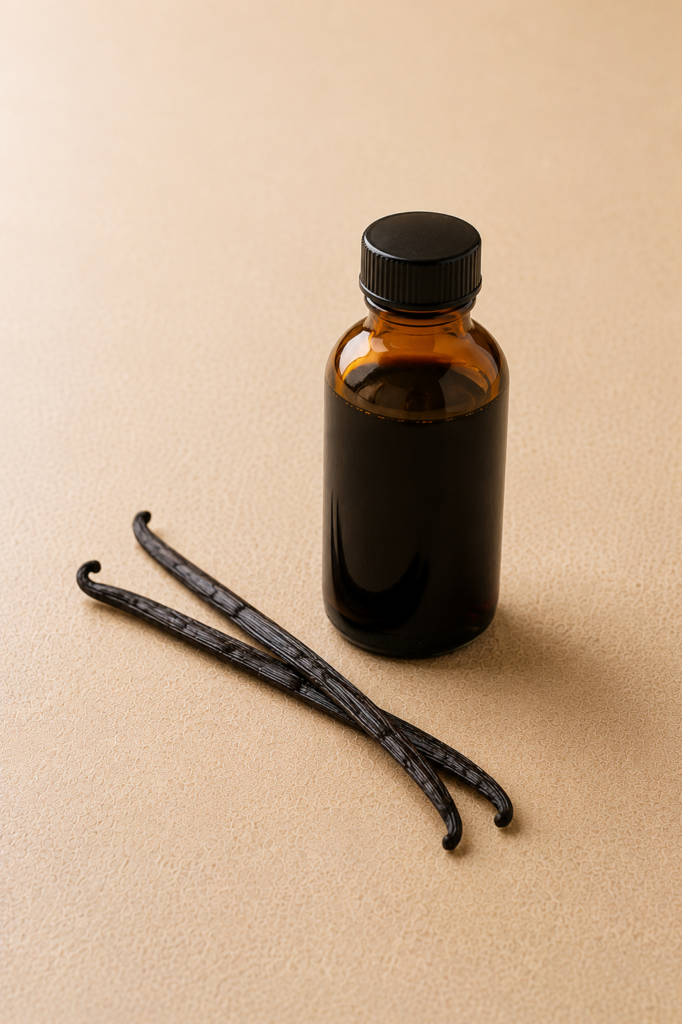
Vanilla
What it does in Baking
- Enhances Other Favors
- Softens Bitterness
- Adds Aroma
- Creates Depth and Complexity
Naturally Contains
- Vanillin
- Hundreds of Naturally Occurring Aromatic Compounds
- Trace Antioxidants
Why Granny Uses It
Some of my earliest memories are filled with the aroma of real vanilla. Long before I understood what it contributed to baking, I knew it meant something wonderful was coming out of the kitchen.
Today, when I’m creating a new recipe, pure vanilla is one of the ingredients that quietly brings everything together. It softens sharp flavors, enriches chocolate, complements butter, and gives desserts a warmth that’s difficult to describe until it’s missing.
Every recipe I create deserves the real thing
Everything Begins Here
Every dessert in this kitchen begins with ingredients chosen on purpose.
Understanding what they contribute—and why they belong—is one of the foundations of creating recipes that last.